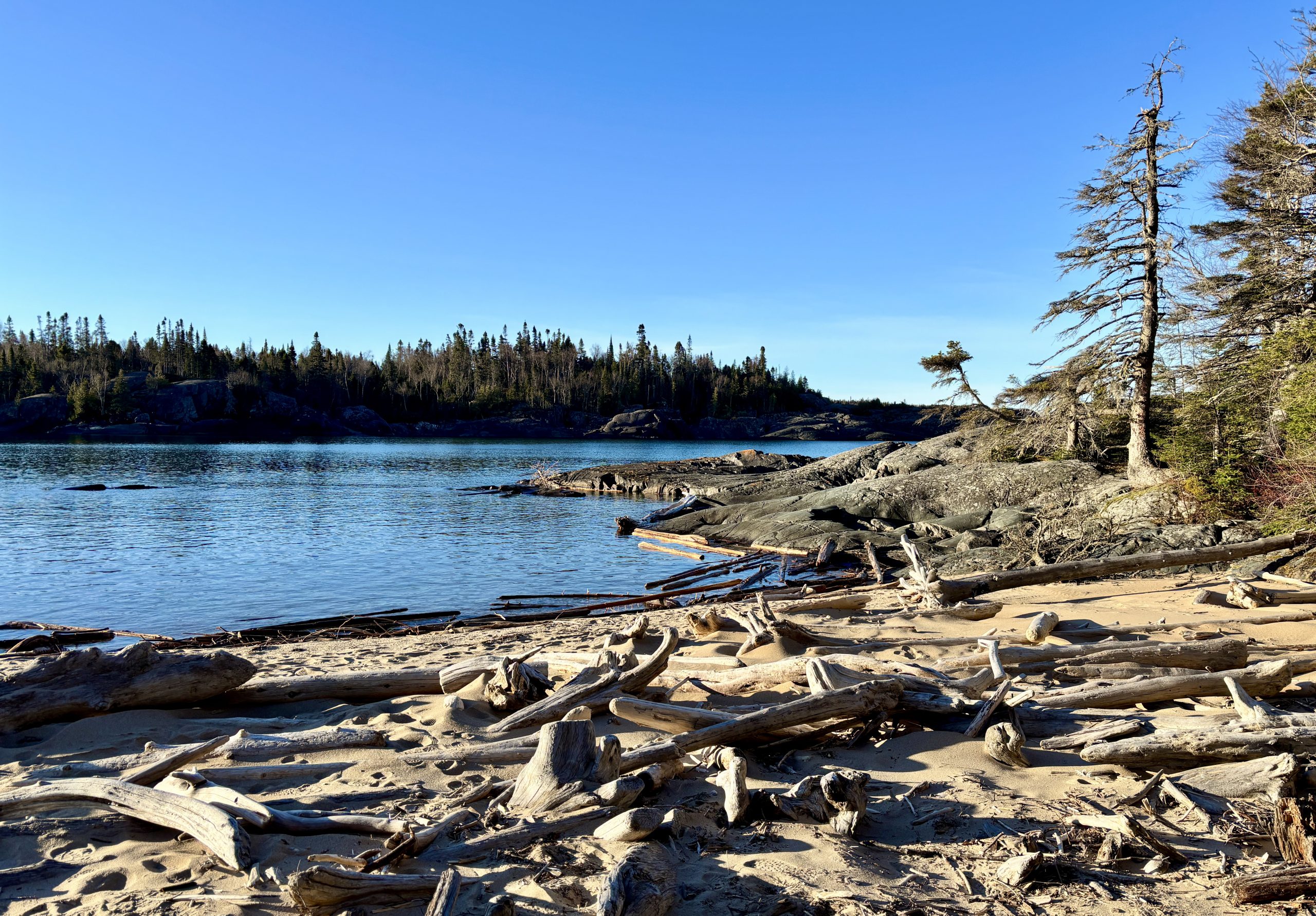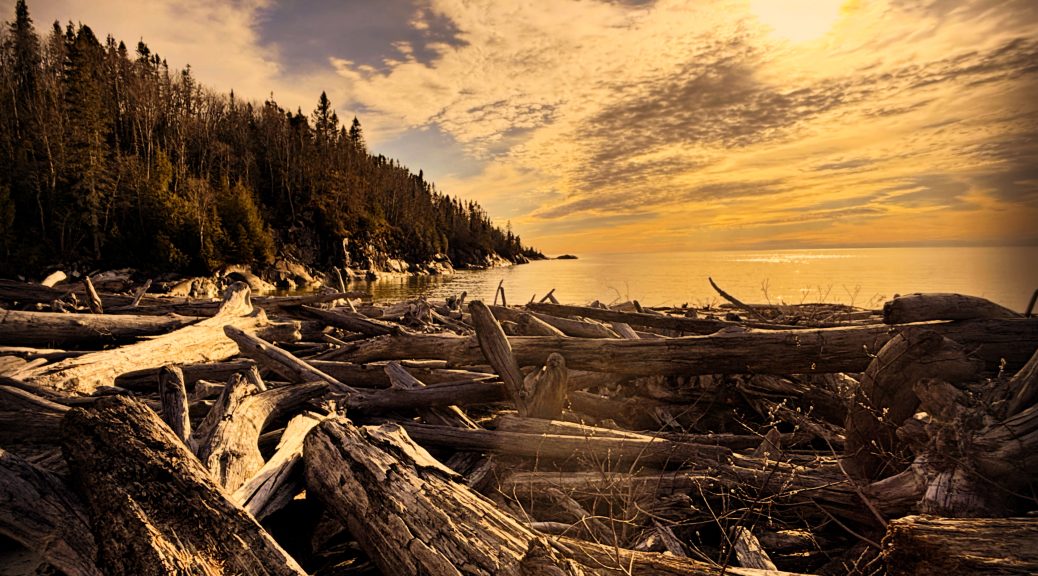
Nestled along the rugged northern shoreline of Lake Superior near the town of Marathon, Ontario, Pukaskwa National Park, pronounced (Puh-kuh-saw) is a place of dramatic coastal landscapes, boreal forests, and true wilderness. Established by Parks Canada in 1971, the park protects more than 1,800 square kilometres of pristine Canadian Shield and the longest undeveloped stretch of Lake Superior’s shoreline.
Long before it became a national park, this land was home to Indigenous peoples who have lived, travelled, and cared for the Lake Superior North Shore for thousands of years. Pukaskwa lies within the traditional territory recognized by the Robinson Superior Treaty of 1850, and the park continues to honour the deep cultural connections that First Nations maintain with this remarkable landscape.
How to Visit Pukaskwa:
Hattie Cove Campground is the heart of the visitor experience and the only campground in Pukaskwa National Park accessible by road, making it the park’s sole option for RV camping. Many visitors use it as a base for a weekend—or longer—while exploring the park’s scenic day hikes, swimming in the refreshing waters of Lake Superior, or paddling a canoe or kayak through the sheltered coves and inlets surrounding the campground.
Beyond Hattie Cove, the park remains largely roadless. Adventurous visitors looking to experience Pukaskwa’s true wilderness can venture into the backcountry on foot via the park’s hiking trails or by sea kayak or canoe along the rugged Lake Superior coastline, where a network of designated backcountry campsites provides an unforgettable wilderness camping experience.
Hattie Cove Campground Site Review:
Hattie Cove Campground at Pukaskwa features two camping areas—the North Loop and the South Loop—with a total of 67 campsites. Thirty-seven sites offer electrical service, while the remaining 30 provide a more traditional, unserviced camping experience. Most campsites are back-in sites; only Site 10 accommodates RVs with a pull-through layout.
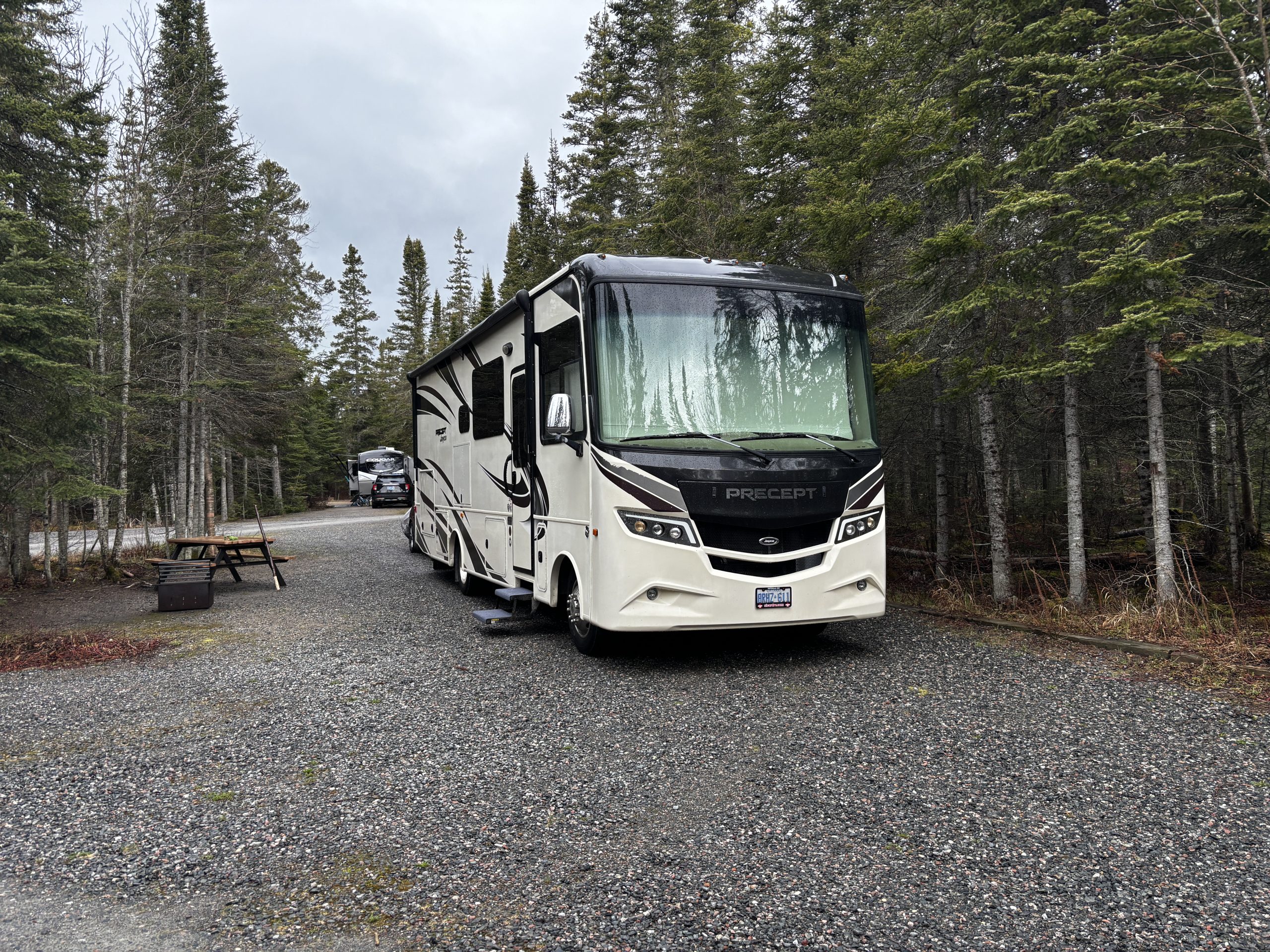
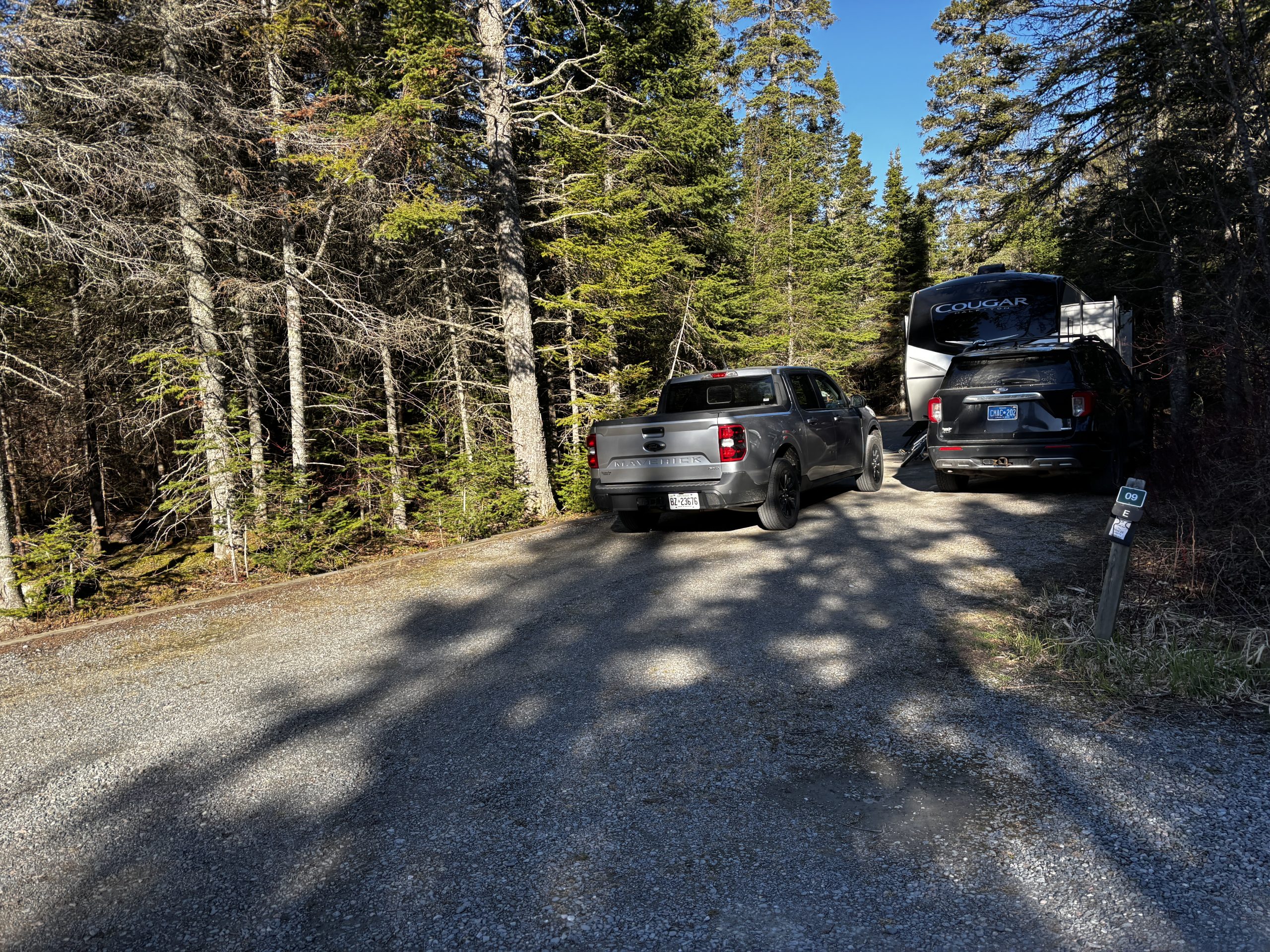
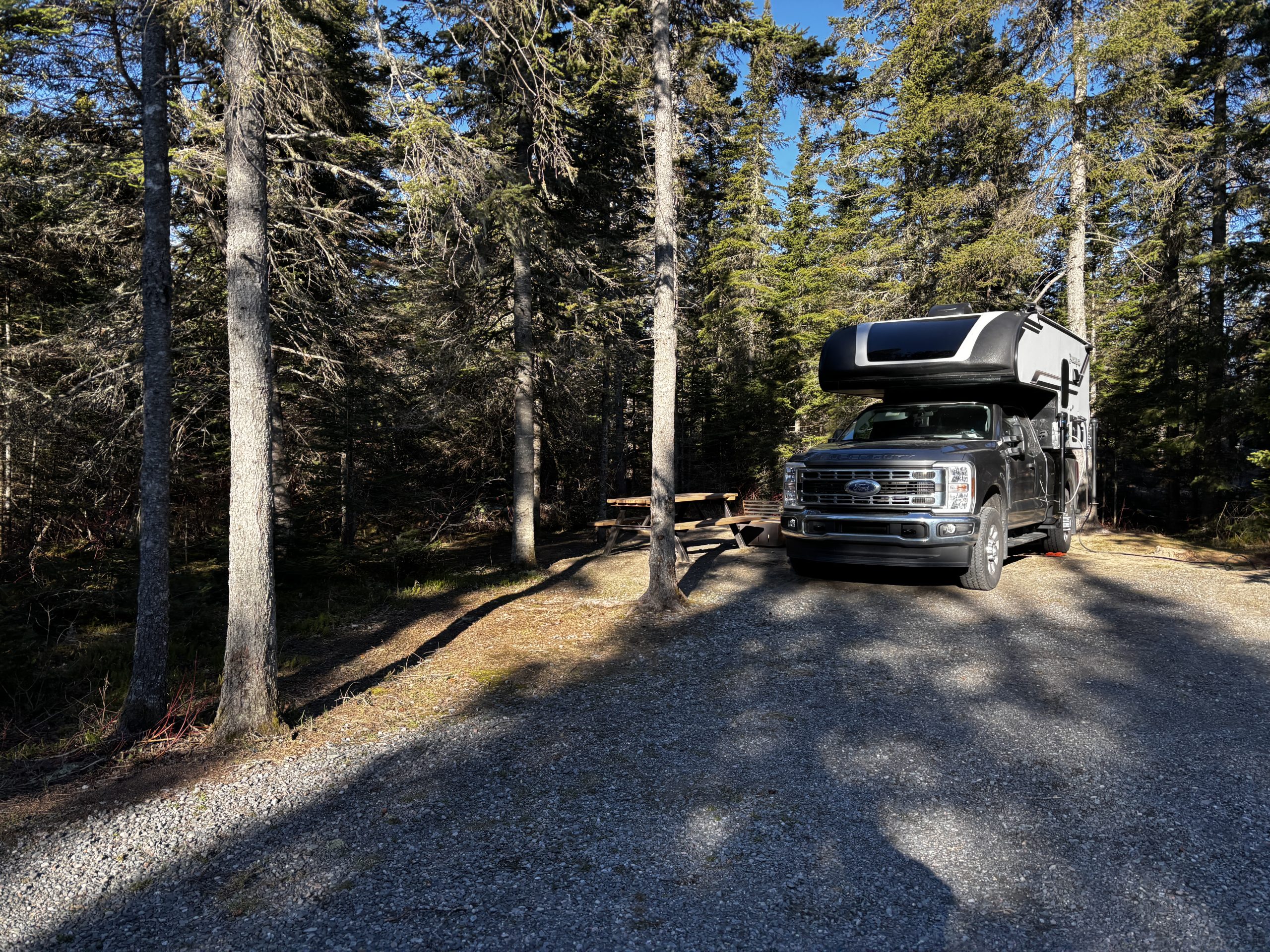
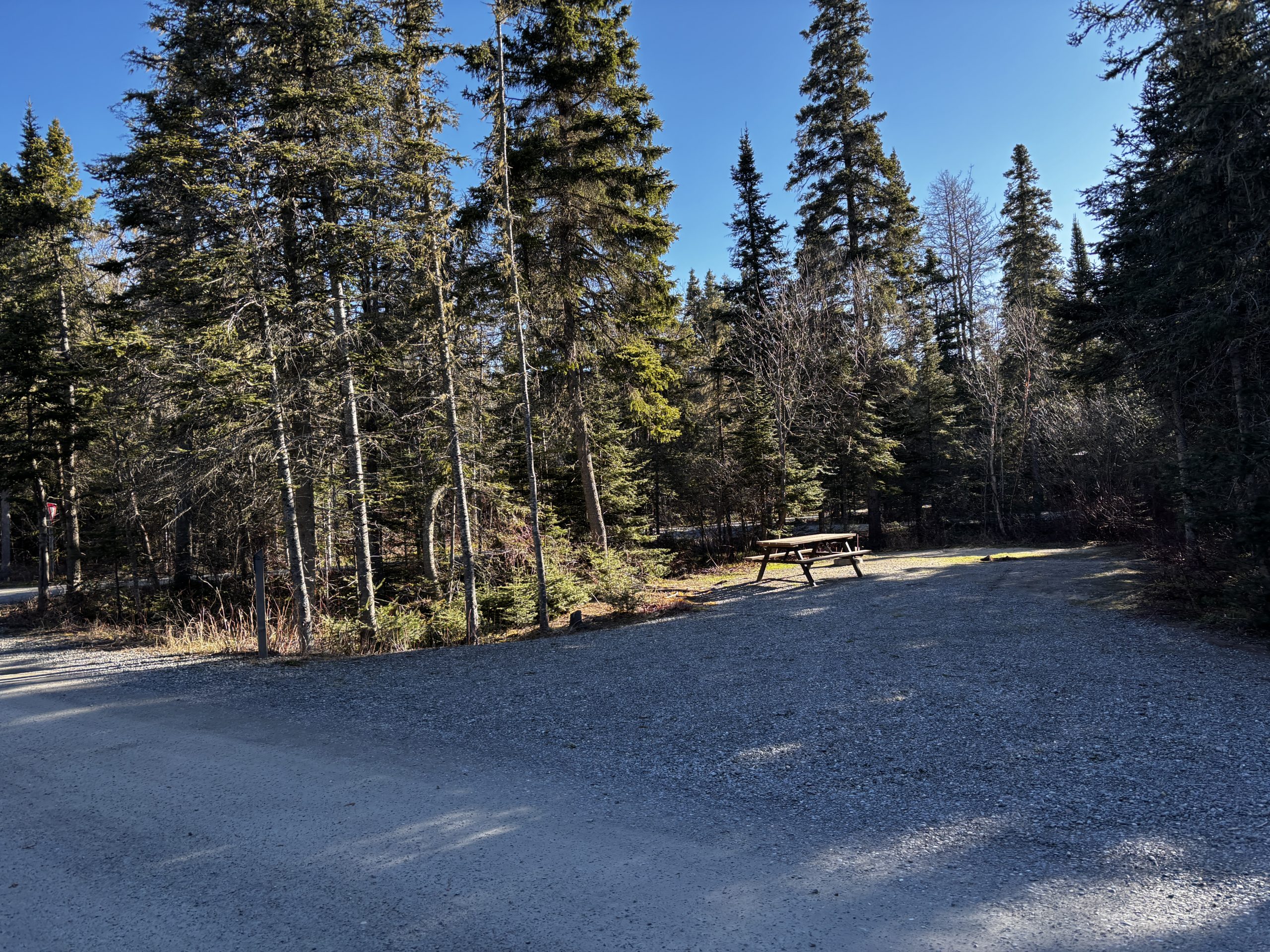
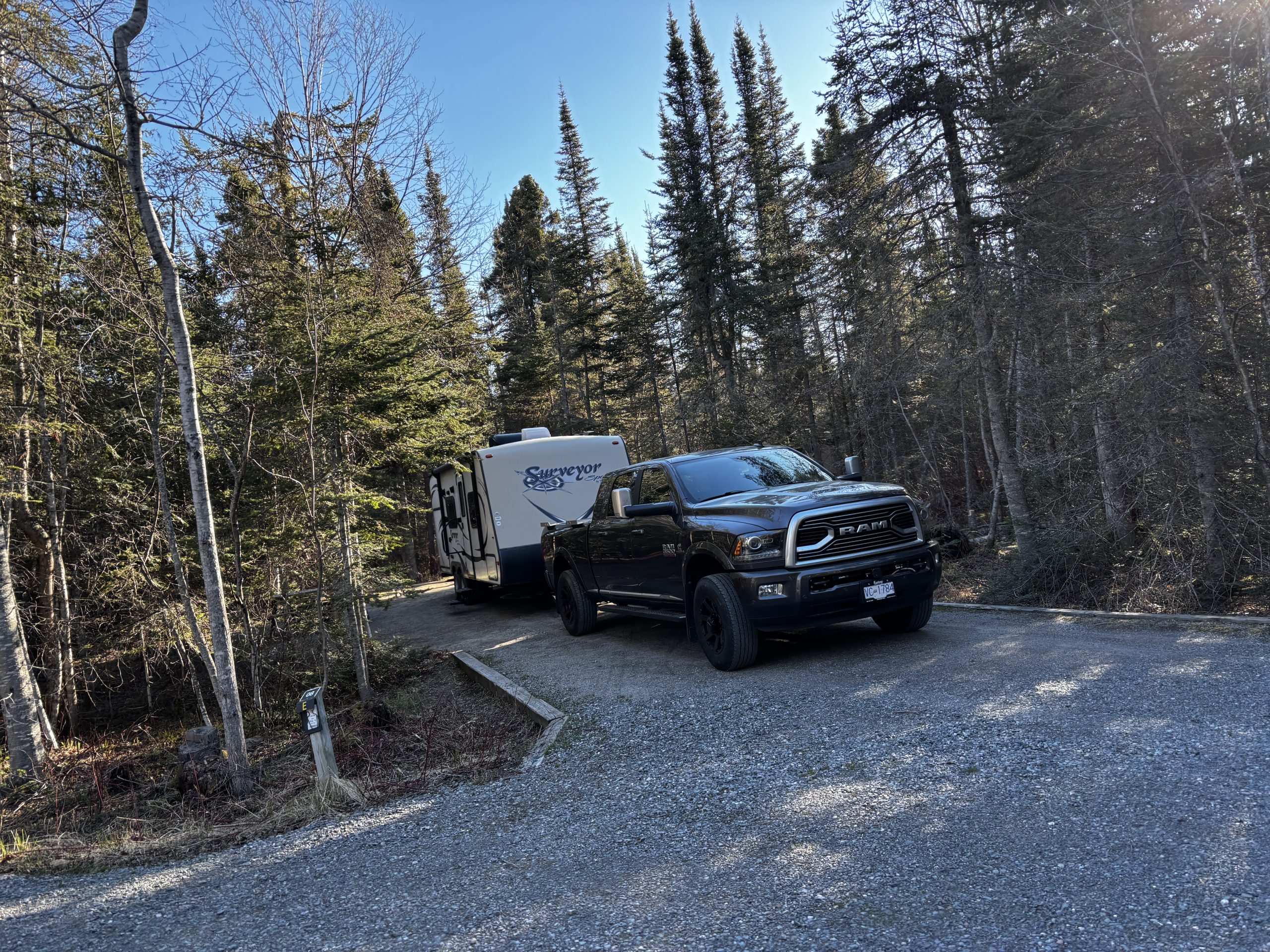
Each campsite includes a picnic table and fire ring, with electricity serving as the campground’s only individual site service. Campers can access potable water at the South Loop comfort station,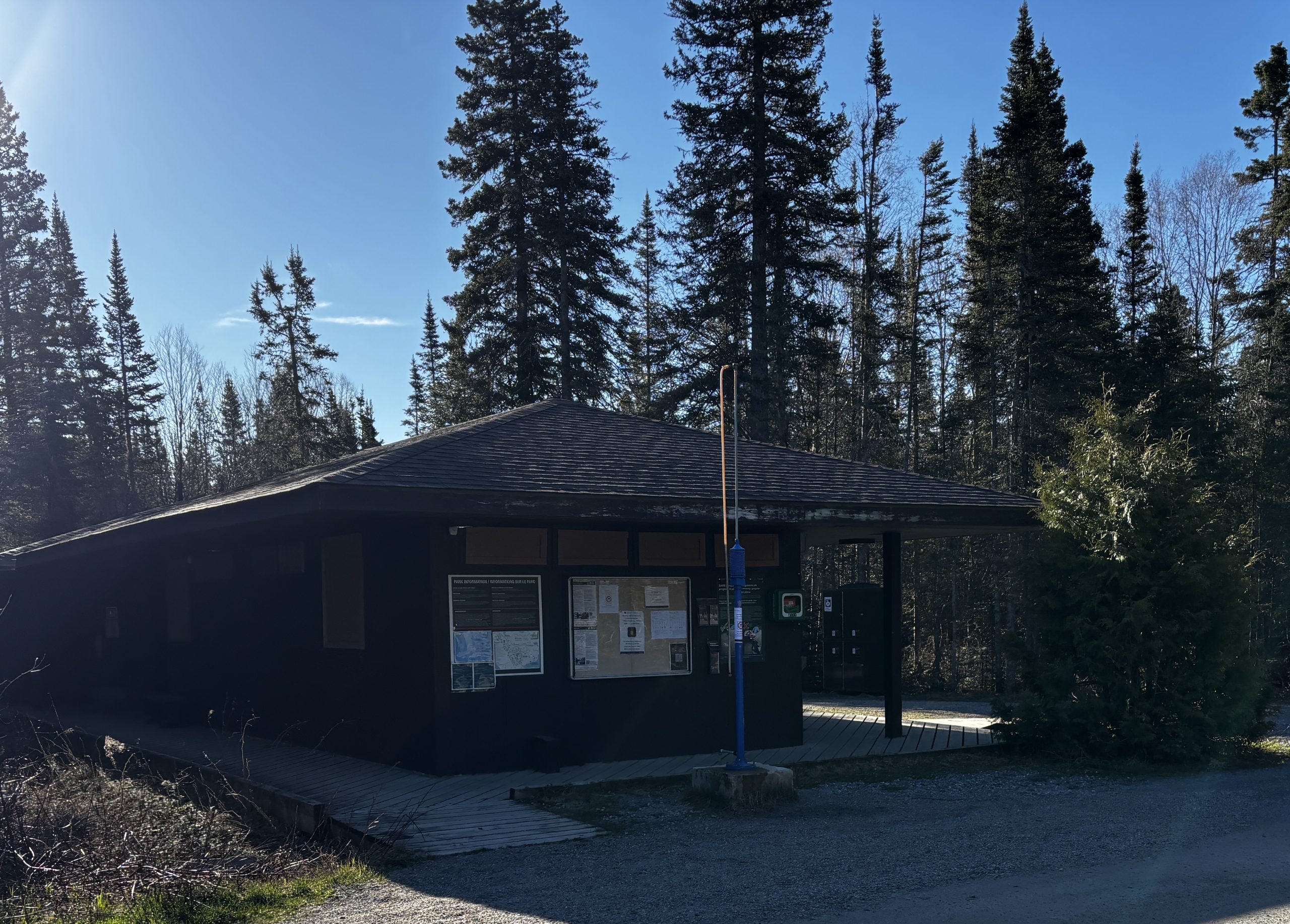 and a sanitation dump station is available for RVs. The campground’s interior roads consist of hard-packed gravel, providing easy access throughout the camping area.
Comfort Station:
The campground provides two comfort stations—one in each loop—offering flush toilets and complimentary hot showers for campers.
Showers:
While the campground shower facilities were clean and functional, they fell short of my expectations for a Canadian national park. I often find myself comparing campground amenities to those at La Mauricie National Park in Quebec, which set an exceptionally high standard for comfort and cleanliness. By comparison, the shower facilities at Pukaskwa felt dated and lacked the level of quality I have come to expect from Parks Canada.
First, the shower stalls resemble toilet stalls, with partitions that stop well above the floor. This design allows water to flow between stalls, making shower sandals a necessity unless you want to stand in someone else’s runoff.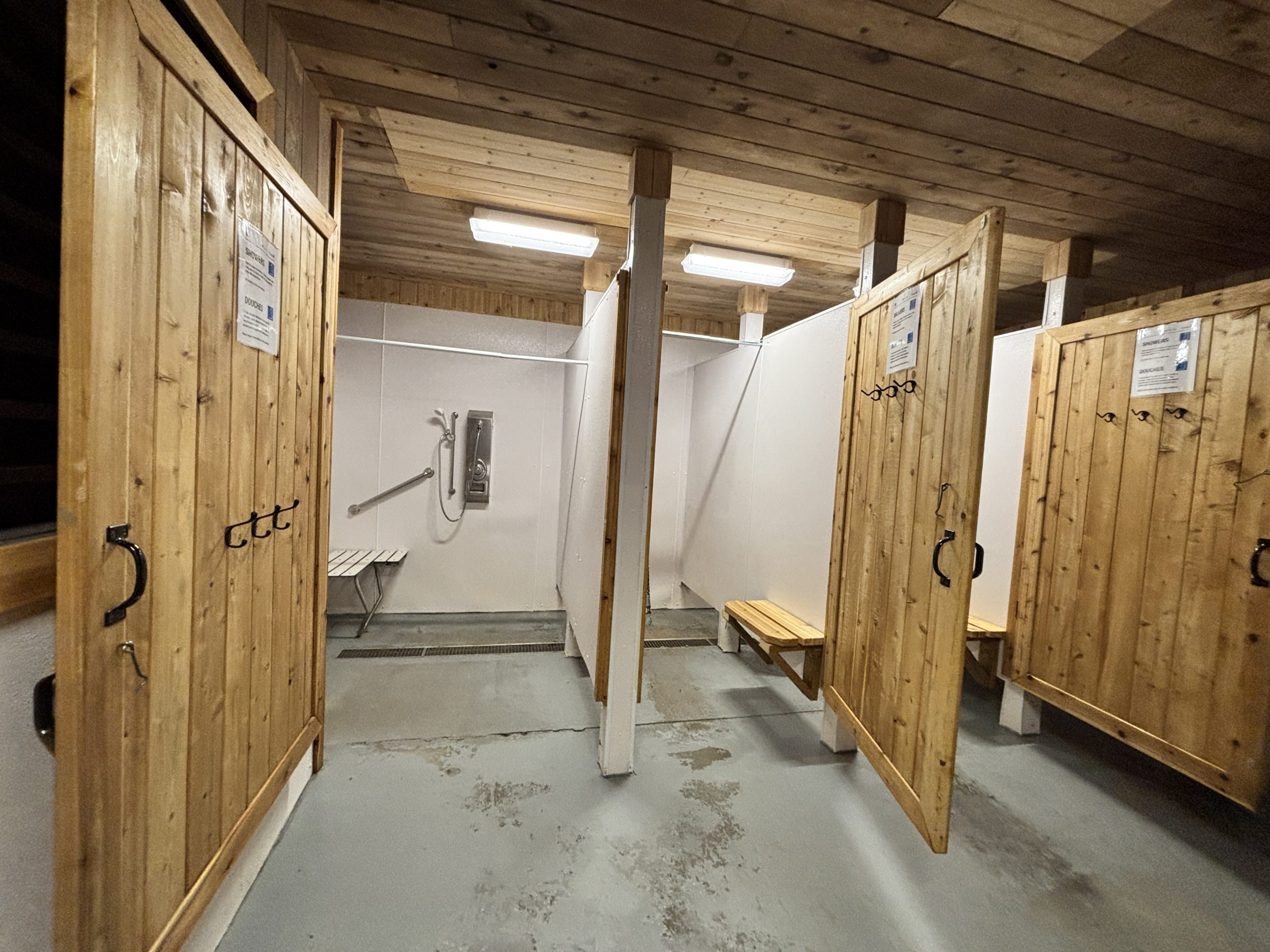 Second, the system provides only one water temperature. I found it uncomfortably hot. Campers who enjoy a hot shower may appreciate it, but those who prefer cooler water have no alternative.
Finally, the showers operate on a timed push-button system. Each cycle lasts roughly a minute before the water shuts off automatically, requiring another press of the button. I let the water run through a couple of cycles before stepping in so it could reach full temperature, and during an average-length shower I had to reactivate the water seven or eight times. I found the constant interruptions annoying.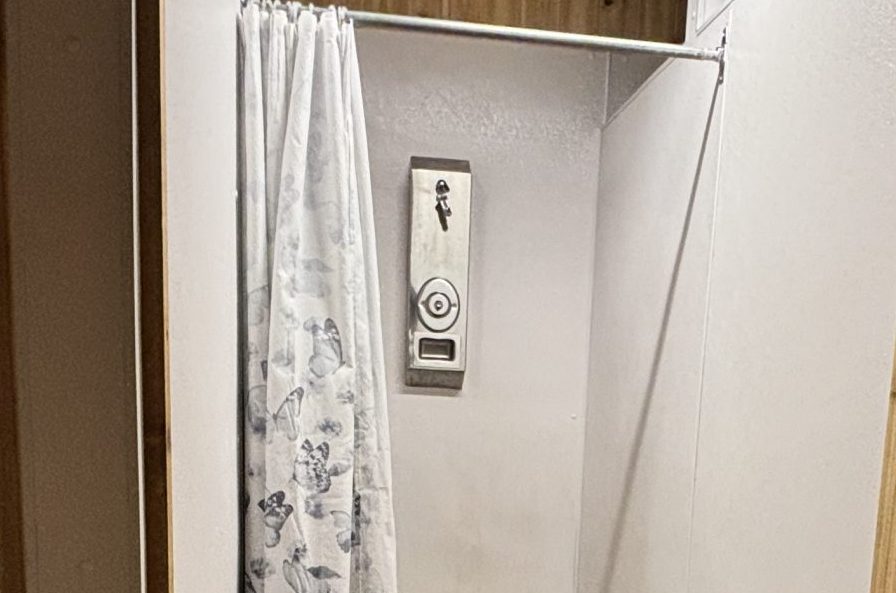
Laundry Facilities:
The South Loop comfort station contains a laundry room with a single washer and dryer. Both machines looked well-used and showed their age. Washing and drying a load costs $9 in total, payable by quarters only. Campers can obtain change at the kiosk near the Pukaskwa park entrance.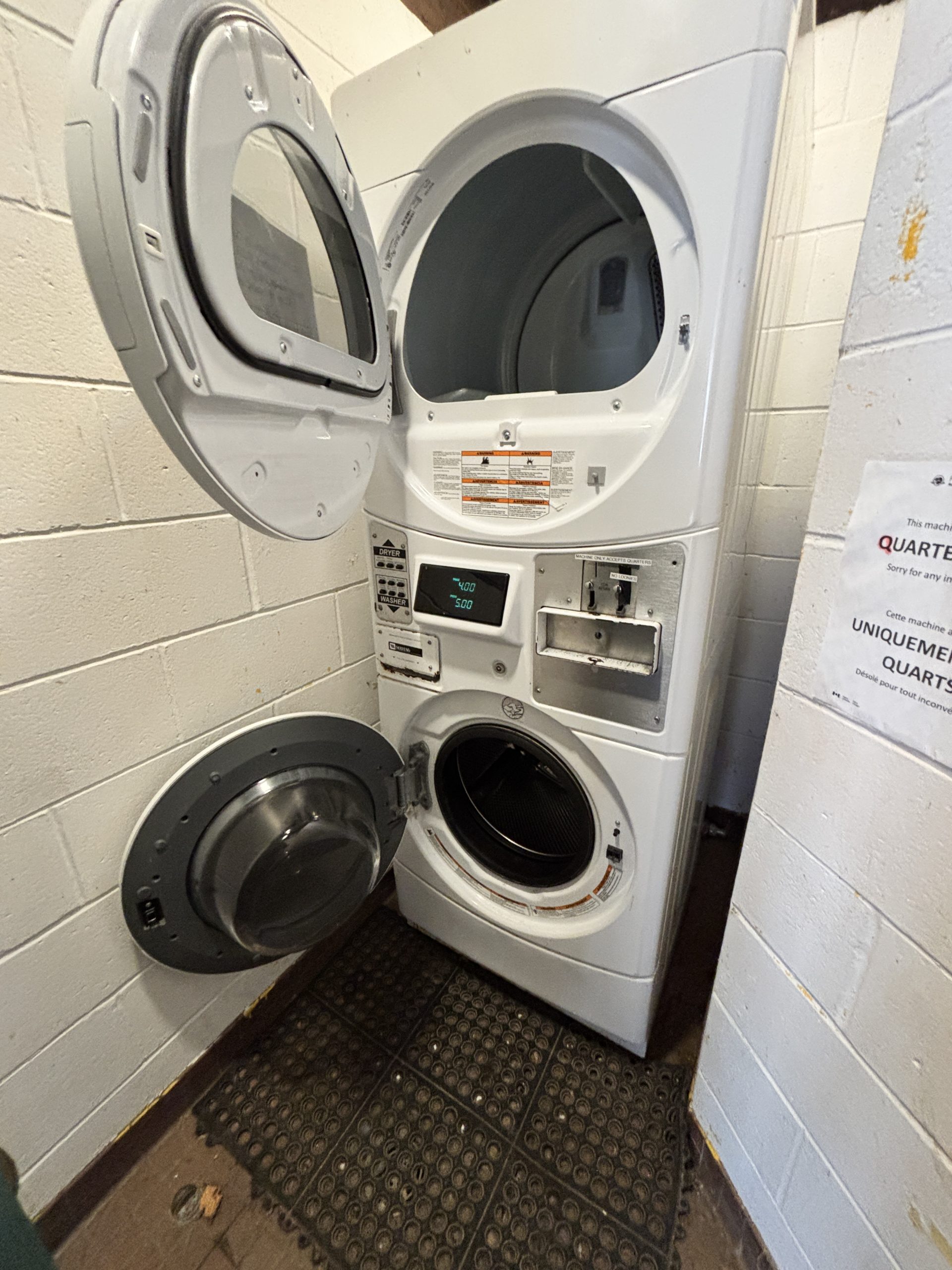
Activities:
Hiking:
Hiking ranks among the park’s most popular activities. The park offers a variety of trails that range in length and difficulty, giving both casual walkers and experienced hikers plenty of options to explore.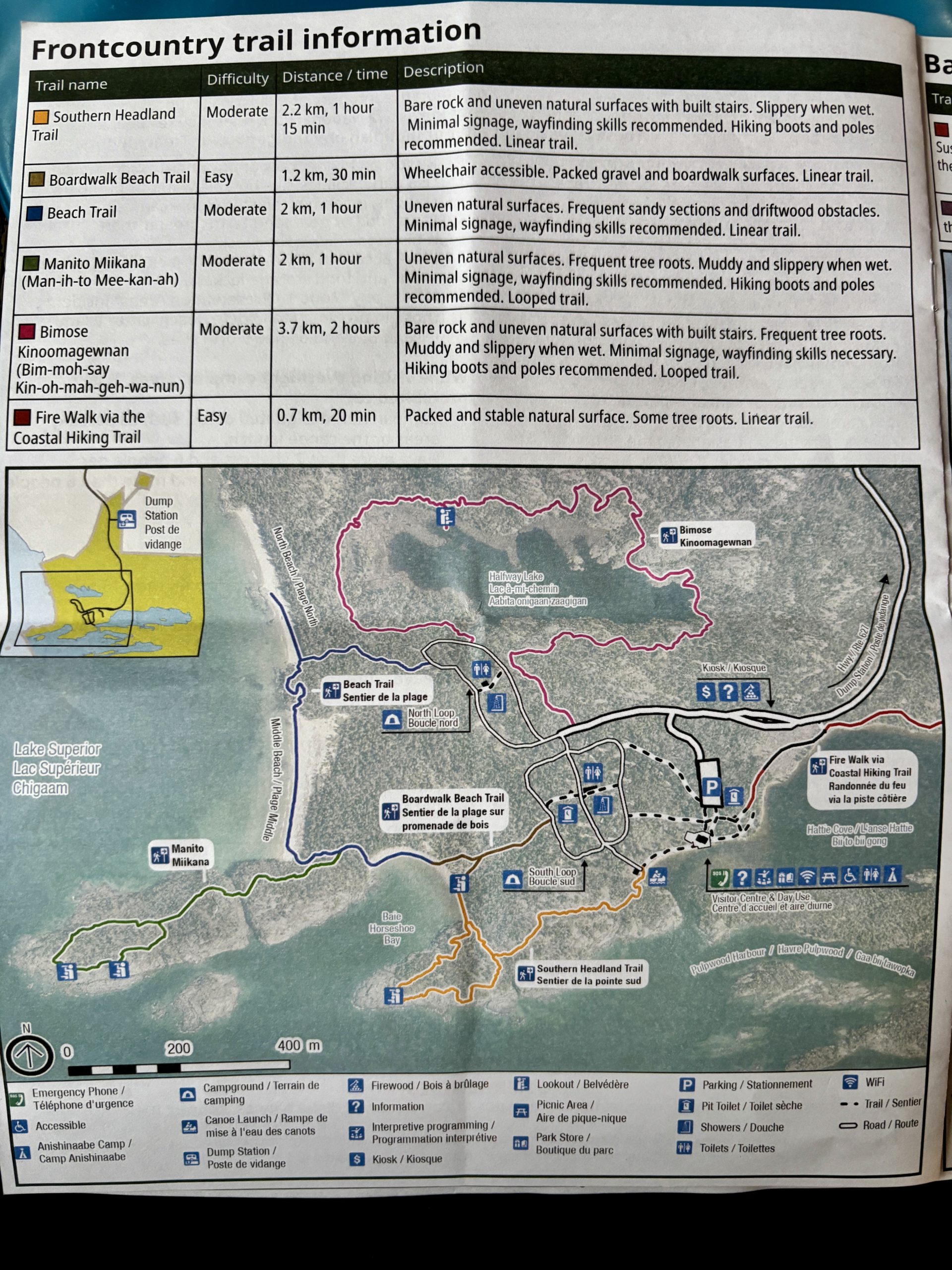
The Beach Trail:
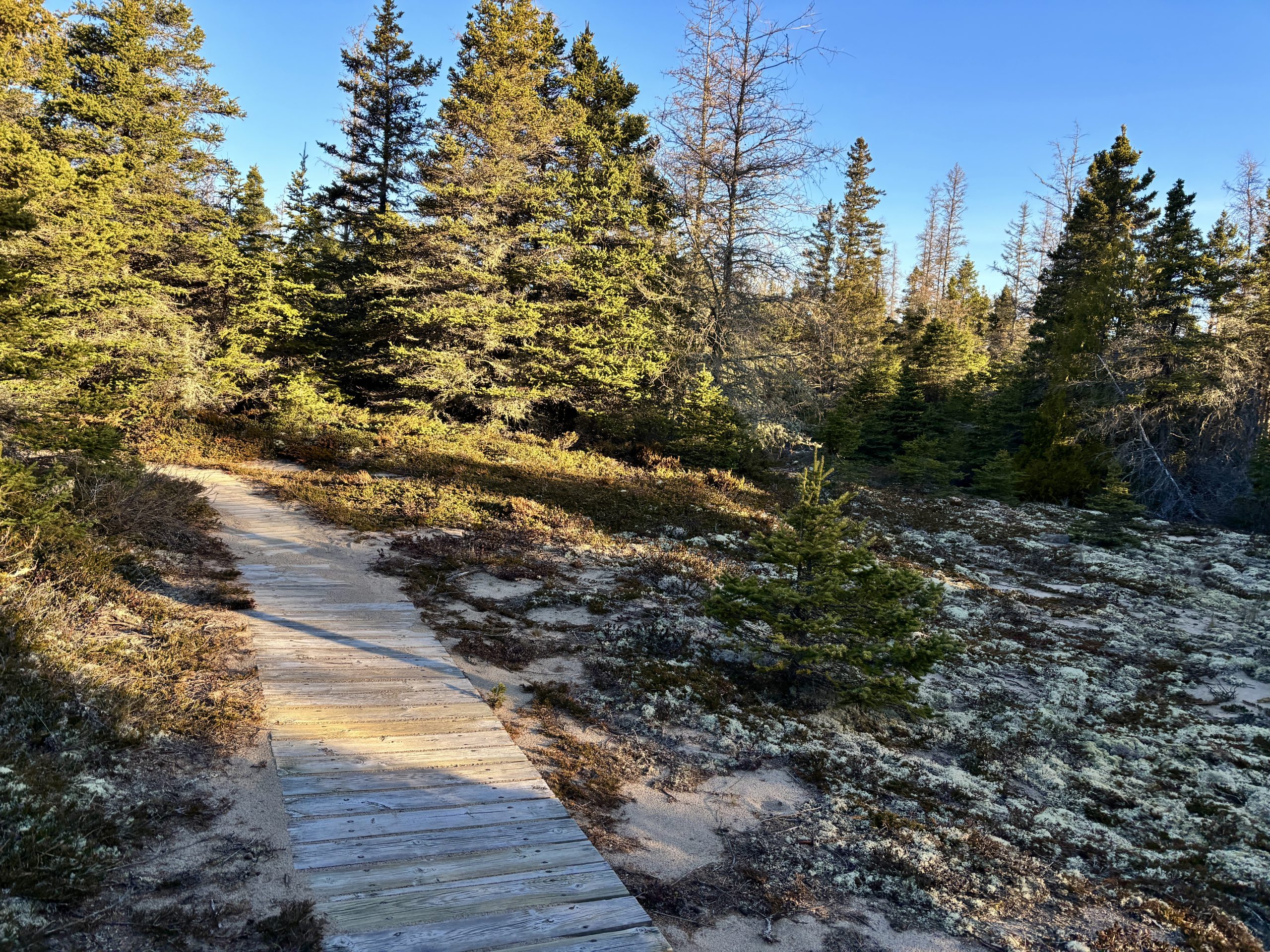
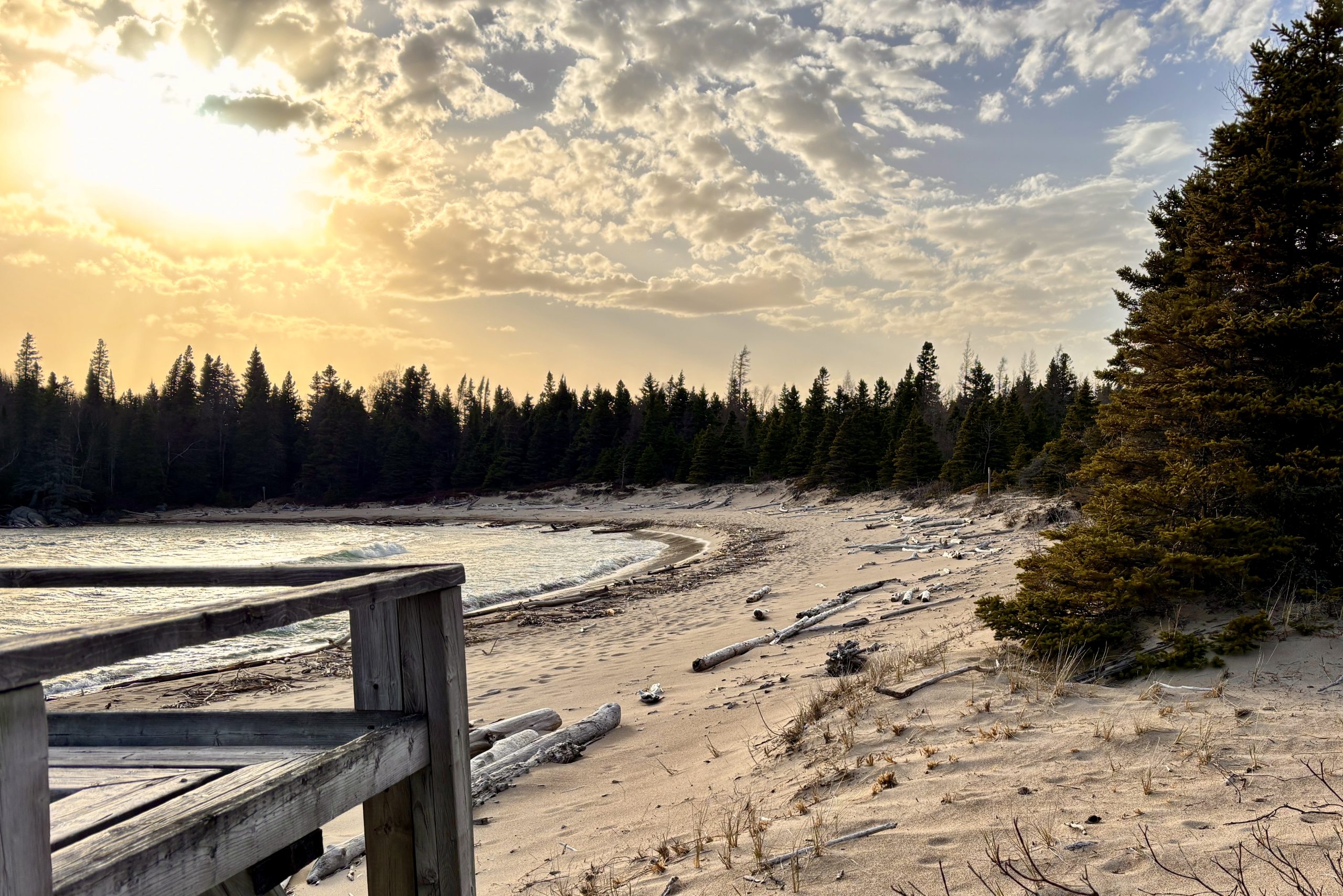
The Beach Trail links the park’s three beach areas and combines boardwalks, sandy stretches, and stairways along the route. Hikers enjoy spectacular views of Lake Superior.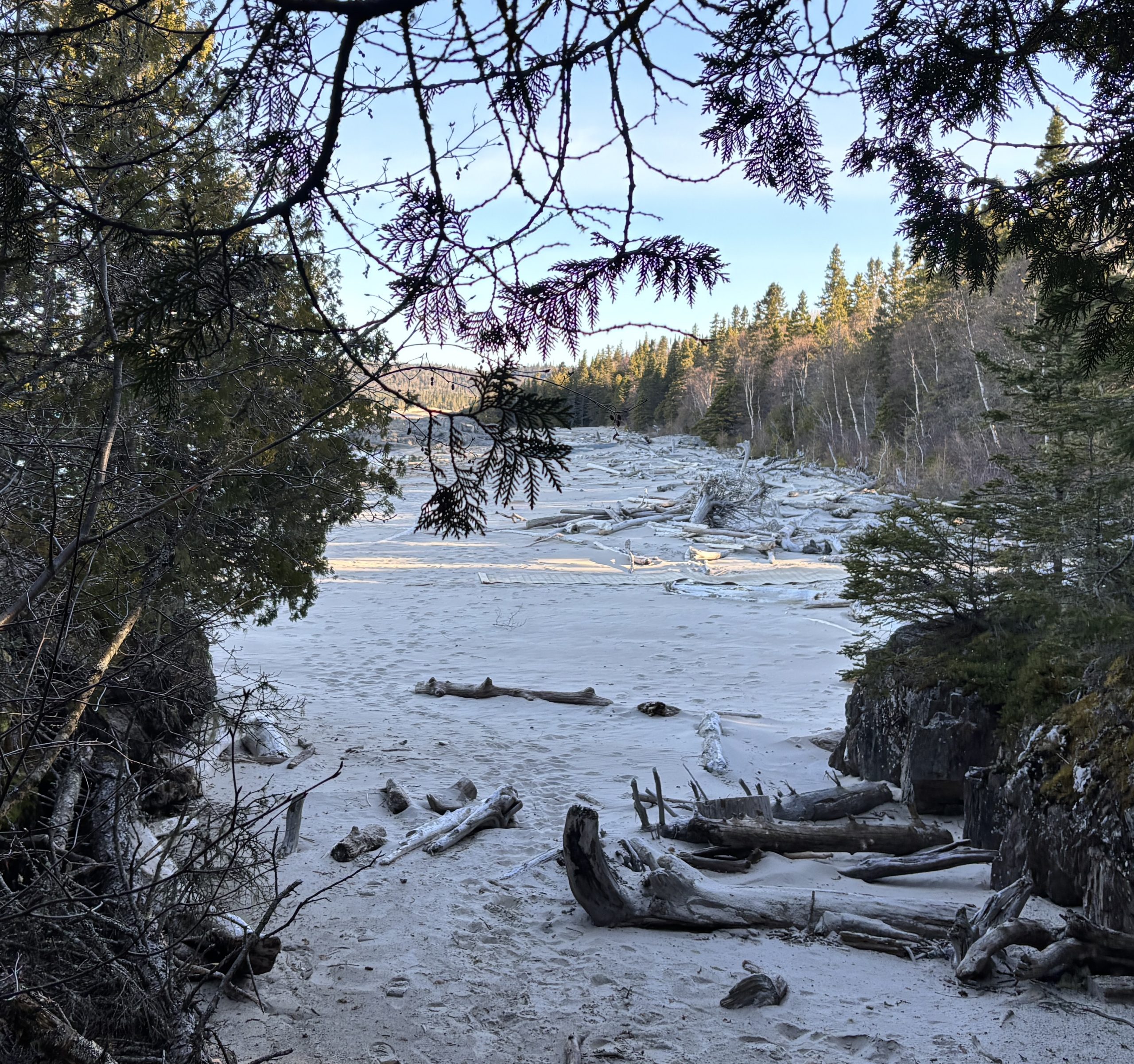
The White River Suspension Bridge:
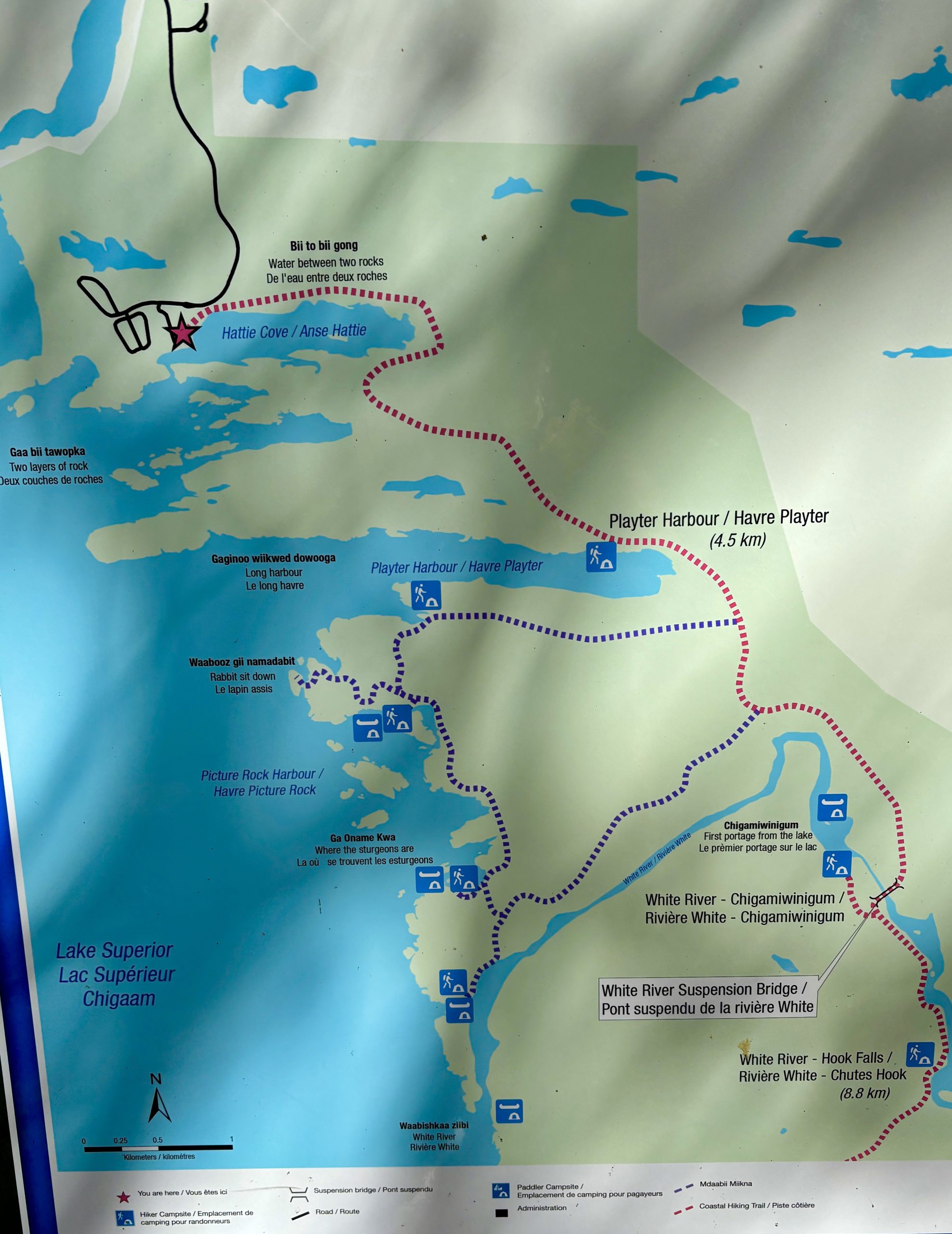
For many hiking enthusiasts, the suspension bridge spanning the White River on the Coastal Hiking Trail at Pukaskwa National Park is a bucket-list destination. The park classifies the 18-kilometre return hike as difficult, so hikers should come prepared with proper footwear, adequate water, snacks, and allow enough time to spend a full day on the trail.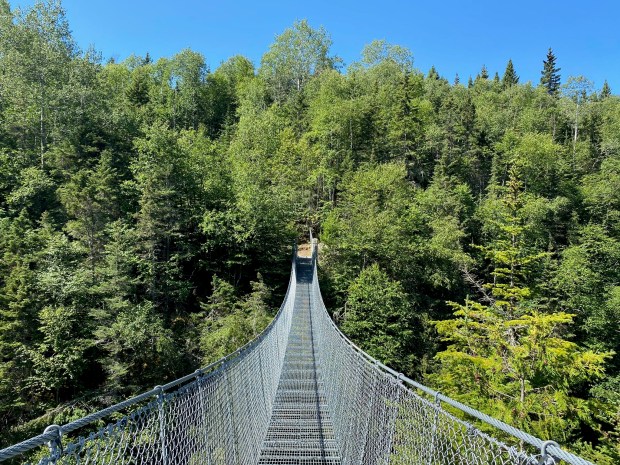
Back Country Trails:
Backpackers looking for a multi-day adventure will find 30 backcountry campsites spaced at regular intervals along the Coastal Hiking Trail. Each campsite includes a tent pad, privy, bear box, and fire pit.
Hikers should not underestimate the trail. Many sections climb steeply over rocky headlands and descend just as sharply, creating a physically demanding trek.
All backcountry users must register with Pukaskwa park staff upon arrival and again upon departure. To protect the wilderness experience and reduce environmental impact, the park limits the number of hikers permitted in the backcountry at any given time.
Canoeing/Kayaking:
A canoe and kayak launch near Hattie Cove allows visitors to access the water and rent equipment for use within the cove. The park does not permit rental boats on Lake Superior, and for good reason. Lake Superior’s size, cold water, and rapidly changing conditions can quickly overwhelm even experienced paddlers.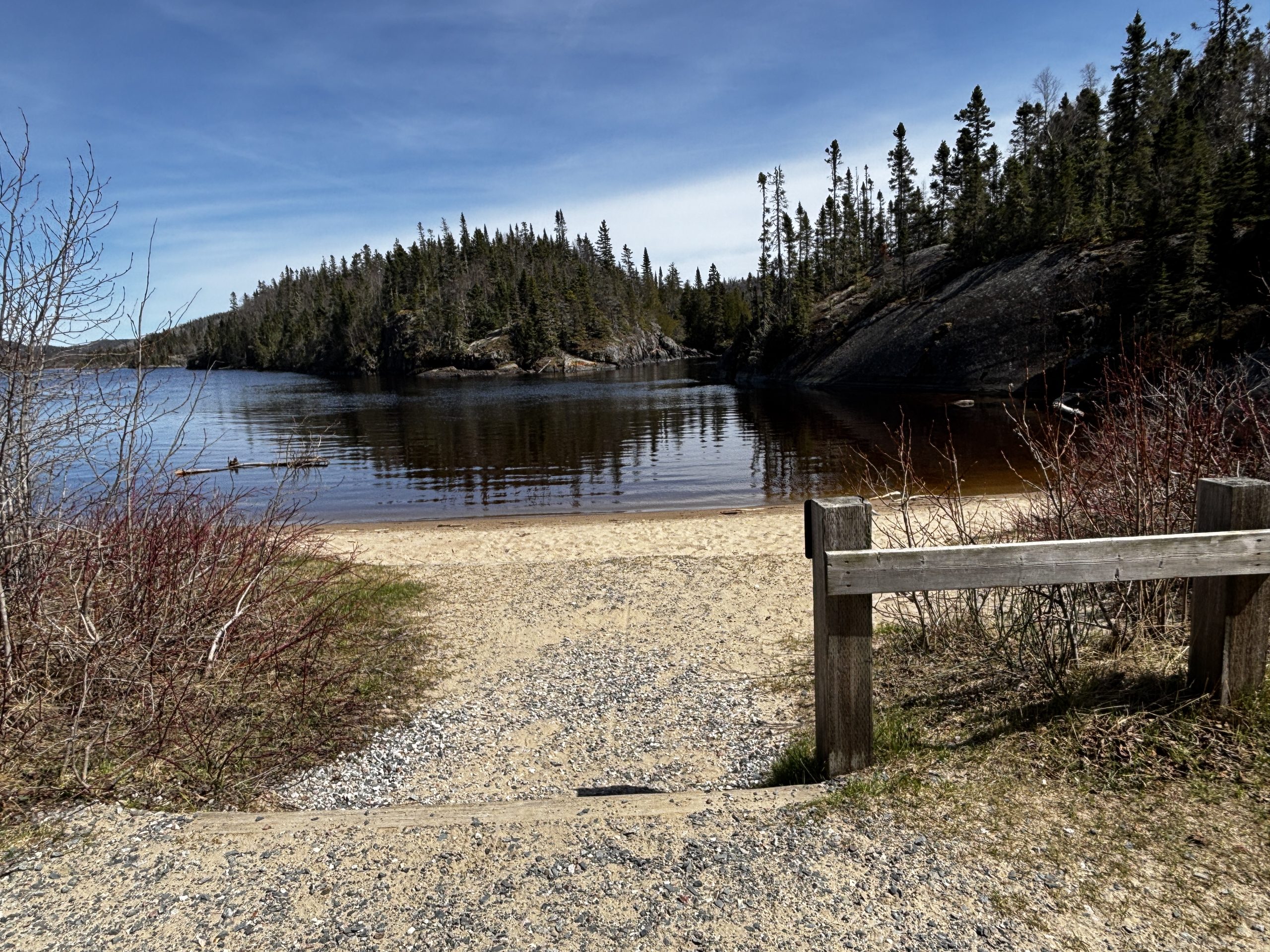
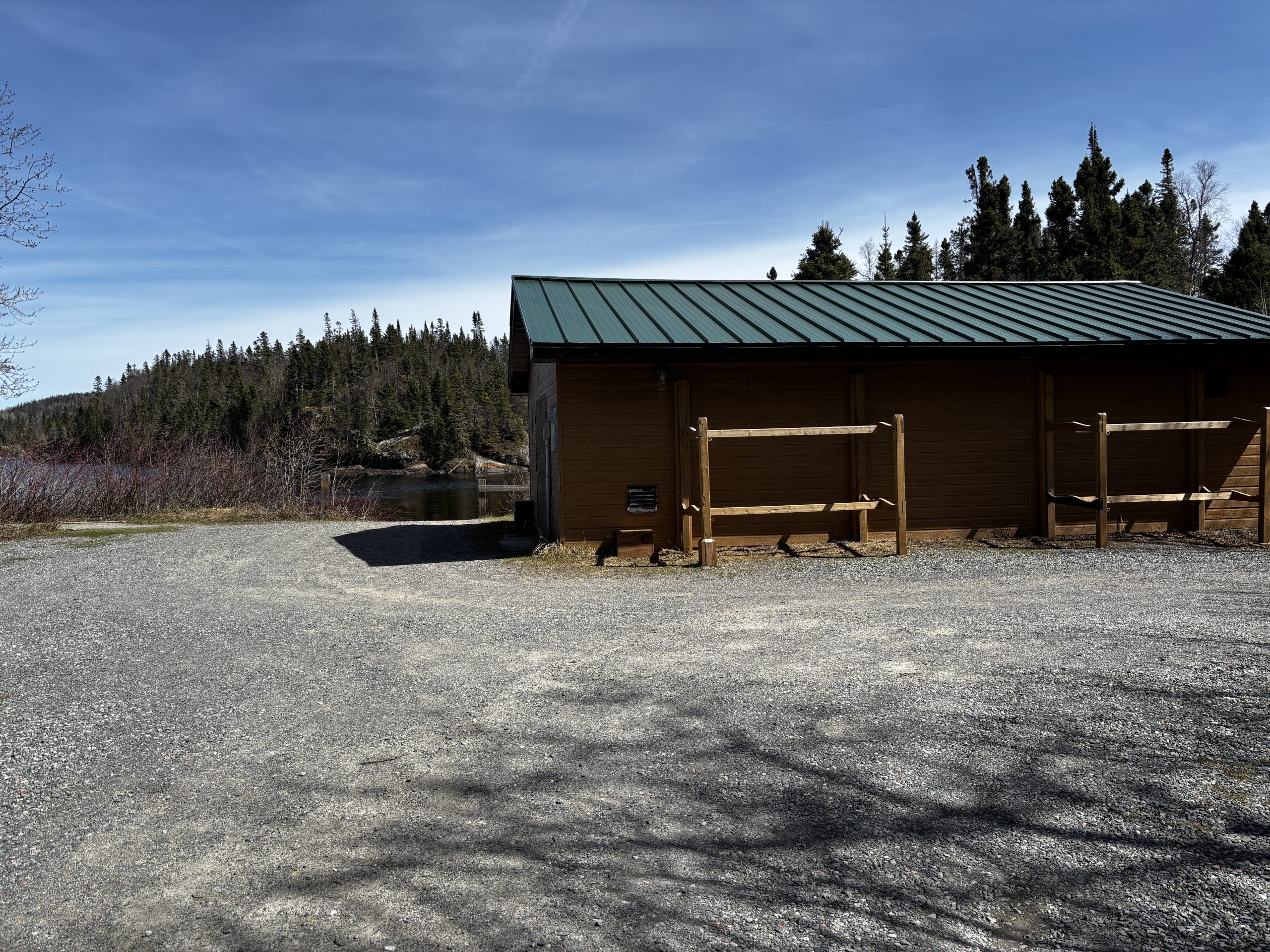 For those seeking a relaxed outing on the water, Hattie Cove provides a much more sheltered environment.
Lake Superior:
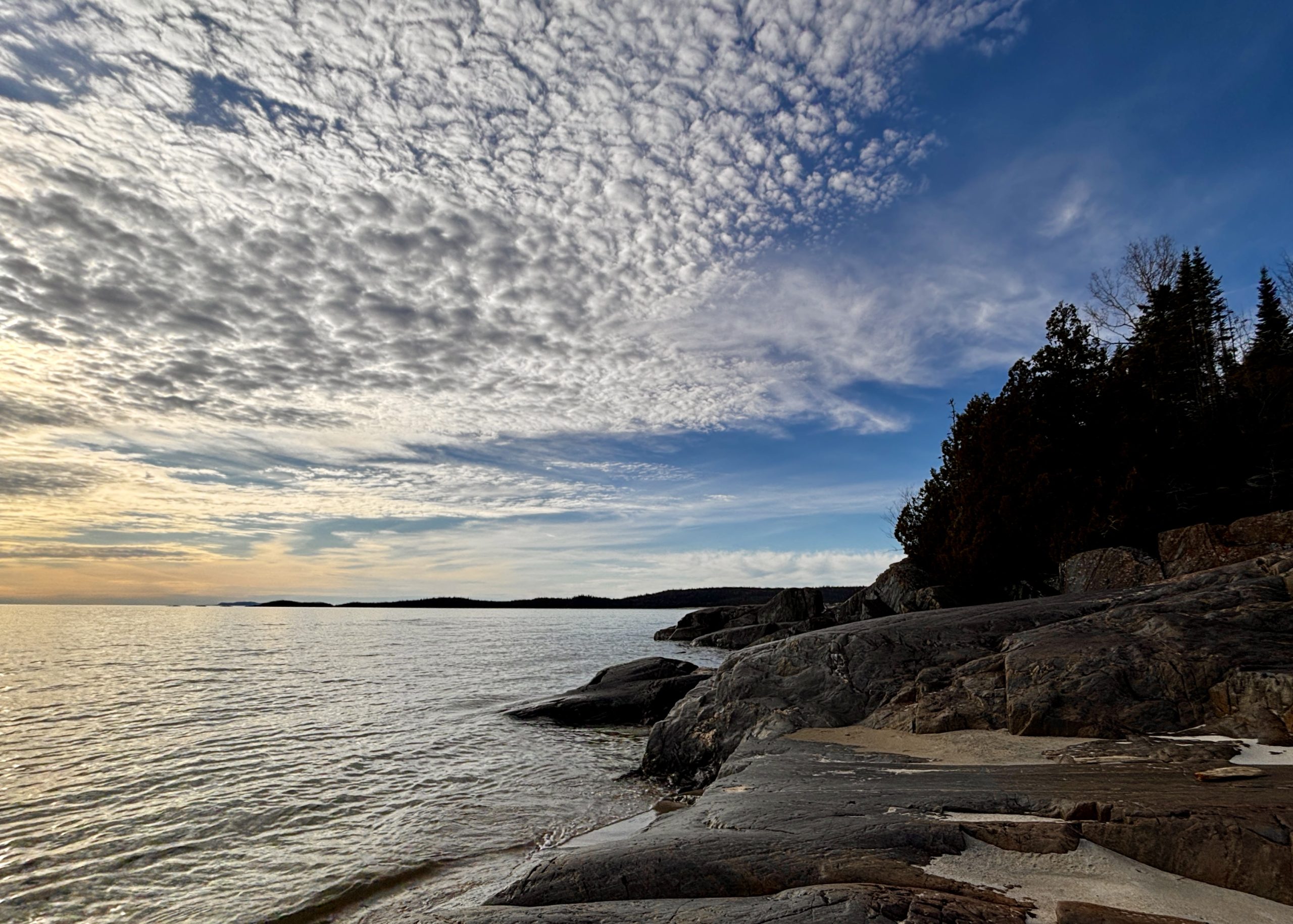
Lake Superior is a lake of superlatives. As the largest freshwater lake in the world by surface area, it has more shoreline than the entire west coast of the United States and holds about 10 percent of the world’s accessible fresh water.
Here’s a fun fact that puts its size into perspective: Lake Superior could submerge both North and South America under one foot of water, and contains more water than all the other Great Lakes combined plus three extra Lake Eries!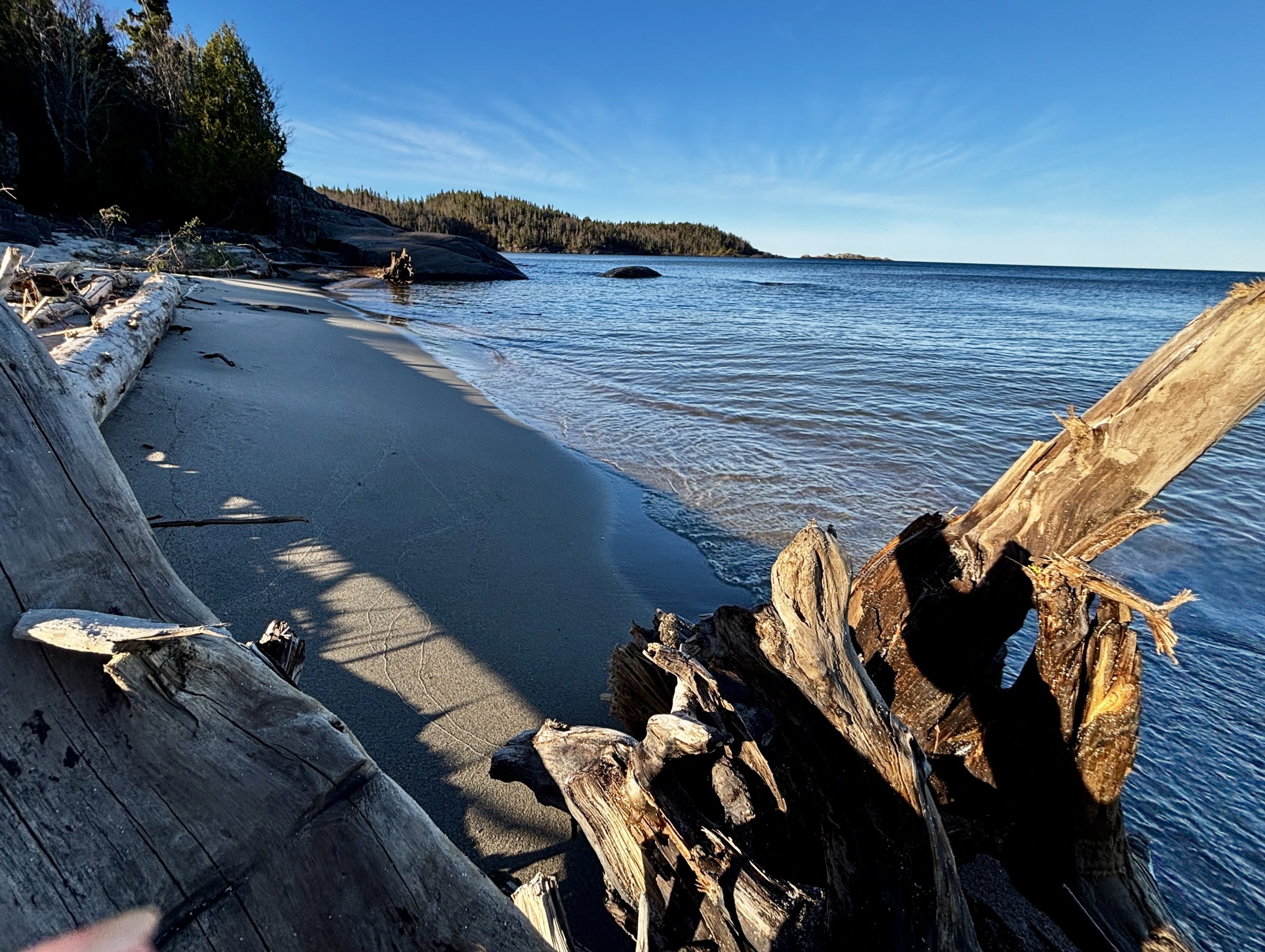
Swimming:
Visitors can swim in Lake Superior, but they should be prepared for cold water temperatures throughout the year. Swimmers must also contend with strong currents, undertows, and occasionally significant wave action. The park does not provide lifeguards, so anyone entering the water does so at their own risk.
Hattie Cove Visitor Centre:
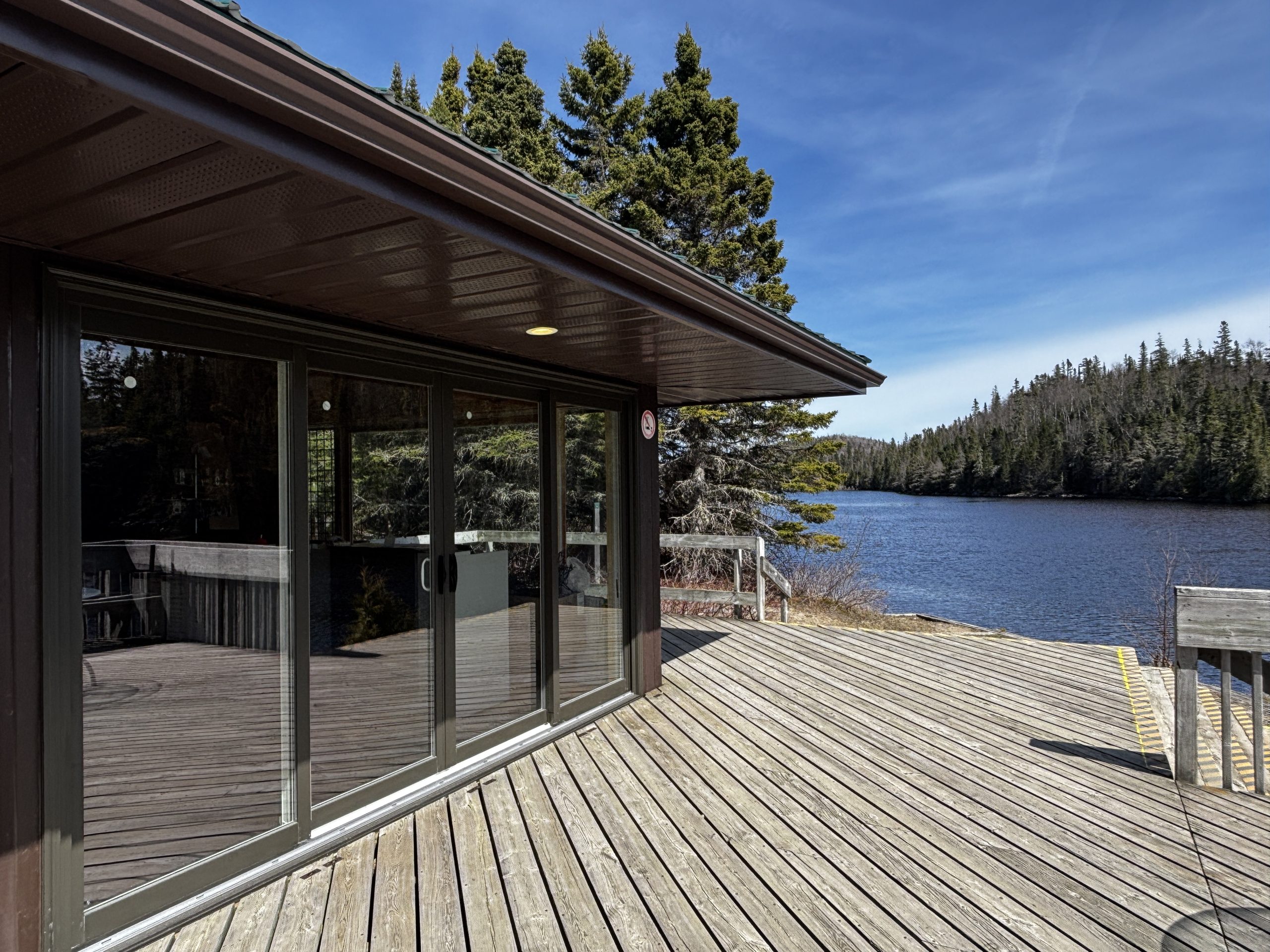
The Visitor Centre offers exhibits that showcase the park’s natural history and ecological significance, while also highlighting the rich culture, traditions, and enduring connection of the local Anishinaabe people to this remarkable landscape. Be sure to visit the Anishinaabe Camp, where seasonal programming provides visitors with an opportunity to learn about the spiritual beliefs, cultural traditions, and history of the local Anishinaabe people through engaging demonstrations and interpretive activities.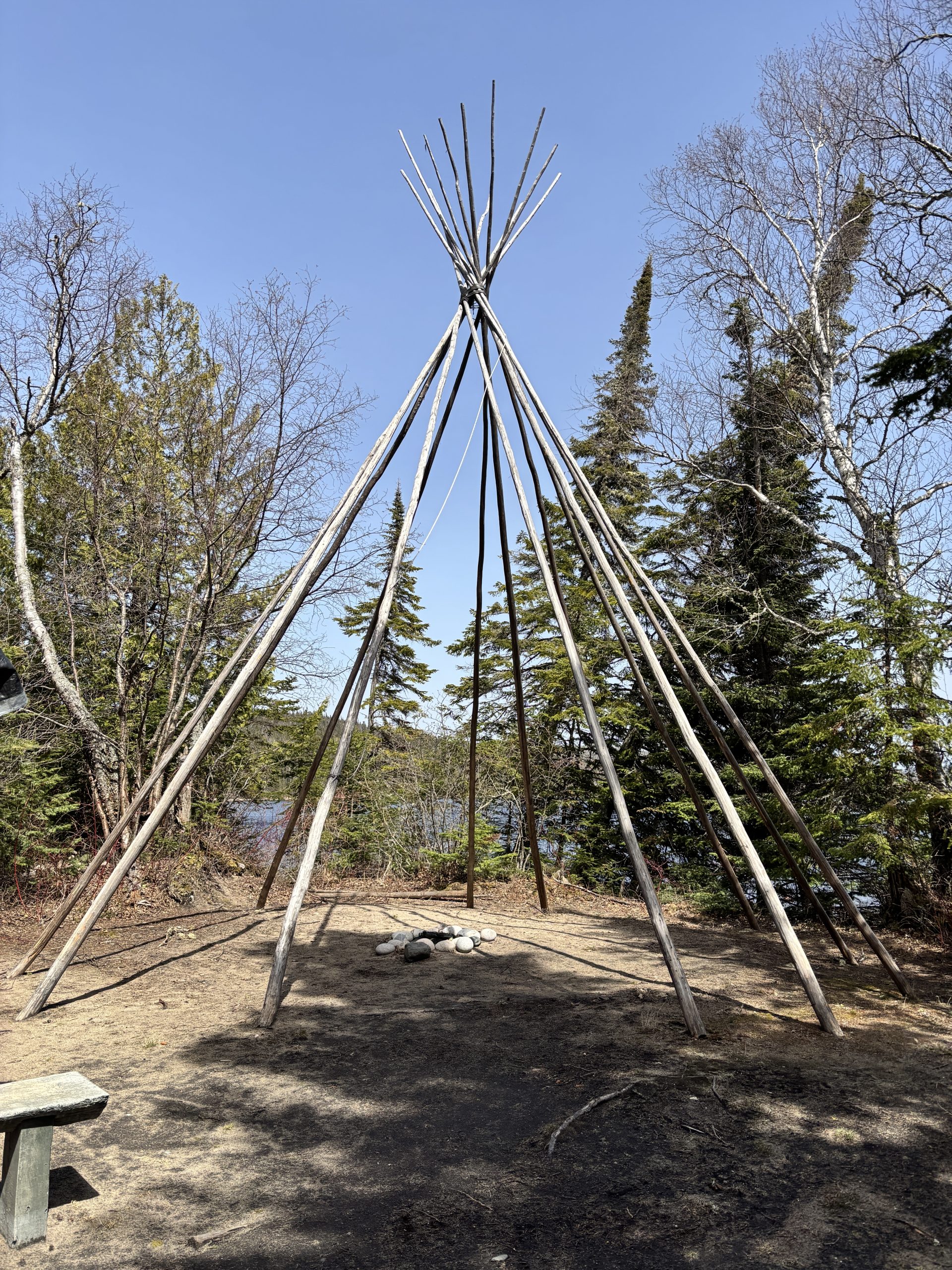
Things to Know:
-
Pukaskwa National Park does not accept camping reservations and operates on a first-come, first-served basis. This system can discourage some visitors, especially given the park’s remote location and the effort required to reach it.
With 67 campsites available, availability does not reset daily, so campers may only find a limited number of open sites at any given time. In our experience, Sundays tend to offer the best selection, as weekend campers typically depart and open up more spots.
- Maximum stay is two weeks.
- Pets are permitted (on leash and you must clean up after them).
- Food lockers are provided throughout the campground to ensure wildlife attractants are stored securely and not left unattended. Park staff patrol the area regularly, and campers may find a written notice at their site if any items have been removed. These notices explain the situation and provide further instructions.Failure to comply with wildlife safety regulations can result in the cancellation of a camping permit without refund, and may also lead to charges under the Canada National Parks Act.
- Day Use and Park Pass fees apply. Click here for more info.
- Wifi and cell coverage is non-existent except at the visitor centre.
IMO:
Pukaskwa National Park is a large wilderness setting with a relatively small campground area. The sites feel spacious and provide a good level of privacy. Reaching the park can be a challenge, and securing a campsite can also be difficult since the park does not accept reservations. However, once you arrive, the experience feels well worth the effort.
The shower facilities are not a highlight, but the park’s remoteness more than compensates. Early morning beach walks through a driftwood-strewn shoreline, with the sound of waves in the background, feels restorative and grounding. A paddle in Hattie Cove, a forest hike, and even a brisk dip in Lake Superior all contribute to what makes Pukaskwa a memorable RV Place to Go.